Home Blog Page 20

Doctor Faust and the Usurer part 1

0

Anonymous: Late 16th Century

The author of the socalled Chapbook of Dr. Faust was in all probability a Lutheran pastor. The first known edition appeared in 1587. It is a loosely constructed collection of incidents more or less remotely centred in the actual career of Dr. Faust, who died some fifty years before.

It is a “curious patchwork of genuine folk tales that were really current about Doctor Faust… and learned demonological rubbish taken from preexistent treatises.” A version of this chapbook fell into the hands of Christopher Marlowe; to this we owe Dr. Faustus, as well as the Faust of Goethe.

The present version, translated by Thomas Roscoe, is reprinted from Roscoe`s German Novelists, London, no date. It is one of the separate incidents in the Life. It bears only a long description by way of title.

Doctor Faust And The Usurer

From The History of Dr. J. Faust…, etc.

It used to be an old saying that the conjuror, “charm he never so wisely,” for the year together, was never half a stiver richer in the world for his pains. Now Doctor Faustus began to experience the truth of this, inasmuch as the grand promises made by his demon in their first contract were mere bubbles, well worthy of their proprietor —a liar and the father of lies.

For he had led the Doctor to believe that he was compelled into the service and overreached by him, so that vast riches would flow in upon him. Four years of his demon`s apprenticeship had yet to run, though he was still not a whit the richer either in gold or goods, for all that Mephistopheles had done. It was agreed likewise he was to partake only of the best fare that could be obtained at princes` courts wheresoever he should travel, as we have already seen.

On this account he had held a variety of disputations with his familiar demon, which generally ended, however, by his inviting some boon companions to come and banquet with him. At length, finding himself in want of ready cash, he was compelled to apply to a certain Jew, with whom in the first instance he agreed for sixty dollars, which he promised to return in the space of one month.

This being expired, the Jew went to demand his dollars with the interest which was become due, when the Doctor replied to his application as follows: “Jew, I have no money; and I have no means, just now, of rocuring any. However, if you are willing to accept good security, think we can come to terms.

Read More about The Secret History part 24

Istanbul Black Sea blue gate

0

“One of the northern gates of Istanbul opening to the sea is Kilyos. Kilyos is a place preferred for swimming, eating fish and having picnic, walking barefoot on the long beaches and staying alone in the shelter bays for a while by the residents of Istanbul. Road to Kilyos, occasionaly passing through Belgrat Ormanlari, is worth to have frequent breaks for enjoying the meal grilled on brazier or trout cooked on tiles served in the countryside restaurants here. There are good restaurants in Kilyos as well as markets where you can meet your any kind of need for daily trips. It is a good idea having spent a different weekend at Kilyos before it is completely occupied by villa-cities.

Sile

The wild flower of the north Sile is a typical summer resort whose known history dates back the 7`-`1 century BC with its booth fish restaurants you can find various kinds of fish, festivals, artists, long and golden beaches, giant rocks, famous fabric used for stylish and light garments. Ancient Greek,Roman, Byzantine and Ottoman civilizations had passed from this small town by leaving their particular traces. Sile had been an outpost for these civilizations against the dangers that would come from the Black Sea.A fortress, built for this purpose by the Byzantine, still exists, though in ruins. A mark left by the Ancient Greek is the name: Sile means wild flower in Ancient Greek. It is possible to come across with hidden cave churches and religious structure in the adjacent villages.

Polonezkoy

For evasive vacationsPolonezkoy is a land where traditional village life, respect for nature and green still rule with persistence next to the “modem” life in Istanbul. According to Celik Gulersoy, Polonezkoy is “a close and attractive school that taught Istanbul the concept of clean family pension in a village house. ” Even the increasing number of the guests in recent years could have changed the clean air, the cherry that has festivals organized for, the butter, the honey, the cheese which is very rare, the sincerity of the pensions changed from old village houses of this `village` called the magical land` by the first owners of the area.There is always a suitable alternative of accommodation in Polonezkoy, where the first pensions of Turkey appeared, for almost every budget whether you come for a day or for a few days during the weekend. Sleeping in silence, A long walks in the nature after an excellent breakfast, having a tea break in a village house as lovely as the ones in the primary school books, listening to the story of these lands | from an old Polish -if left any, cleaning your bronchus that got full of exhaust smoke with an oxygen bath, staying away from noise and visual pollution for a while, I stopping the time a bit and to be purified; these are what this village founded by Polish immigrants two I centuries ago presents to its guests.There are a few places you can see their authentic architecture and taste special dishes. Take your hammock, walking and jogging shoes, your bike if you have, and of course the hook you could not finish ever, and a bag to put all these in with you. Who knows, maybe you try to riding, i p laying tennis for the first time.For those who want to battle, there is even a paintball club.So, stay and live this original village before Istanbul suffocates I it, where it owes a “colour”. You will like it.”

Read More about How the Bosphorus was frozen in 1954

Istanbul Organizations

0

Motorsports`s base Istanbul

Asa cultural and a touristic city, signed already. Asa result of all Istanbul also became one of the this success, it seems Istanbul the most important base of will be the base of motorsports motorsports in the world. After organizations in coming years, the complement of Istanbul Park which is the most modern racing track, Istanbul became the attraction of motorsports organizations.

With the success of Formula 1 other organizations such as DTM, WTCC, FIA GT, Le Mans and Moto GP was held in Istanbul too. All these races have organized successfully so that future long term one`s

City of Finals

Istanbul is now hosting major sports events in a worldwide scale. After the Champions League final in 2005 Istanbul is now preparing to host UEFA Cup finals in 2009. Final match will be played at Sukru Saragoglu Stadium

Another grand organization to be hold in Istanbul is the World Basketball Championship Final 2010. Final match of the championship to be hold in Turkey shall be performed in Istanbul. Istanbul had previously hosted the final match of the European Basketball Championship 2001.

Discover Mevlana in Istanbul

Istanbul has the leading role in the events to be realized all over the world in 2007, which has been declared as “the Year of Mevlana” by UNESCO.

Within the framework of the Year of Mevlana 2007, conferences introducing Mevlana, Sufi music concerts and whirling dervishes` shows shall be performed in Istanbul. The International Mevlana Symposium to start in Istanbul and continue in Konya shall be hold within 8-12 May 2007. Simultaneously with the symposium, an exhibition about Mevlana shall be opened in Istanbul and be available for visits for two months. In this exhibition, all the items about Mevlana and Sufism present in the collections at museums shall be heaped together. Besides, Istanbul Foundation for Culture and Arts has been preparing a musical about Mevlana.

Istanbul, the European Capital of Culture 2010

Istanbul has been chosen as the European Capital of Culture 2010, within the scope of the European Capital of Culture project carried out since 1985. Istanbul, which consists of unique cultural possessions created by various societies together during its history for millenniums at the intersection point of Asia and Europe, is presented as one of the cities that deserve this title most.

Upon this decision, 87 projects to contribute in cultural life of the city have been commenced. Exhibitions, concerts, competitions, festivals, excursion tours, performances, projects for restoration of Beyogiu, Fener-Balat, Zeyrek Houses and projects of urban transformation can be listed among these projects.

Read More about Balkan Tours 2019

I C E C

0

Istanbul Lutfi Kirdar Convention & Exhibition Centre

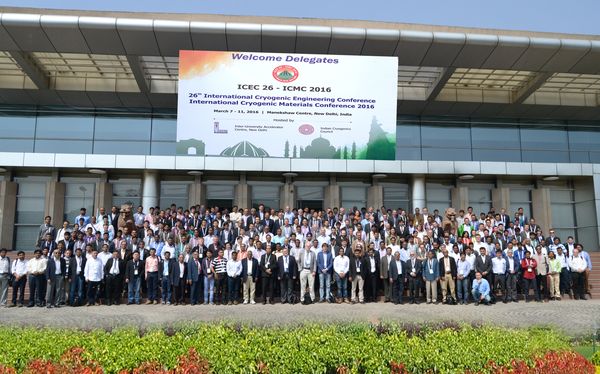
The Professional Facilities and Service Planners Demand, the Exotic Destination and Memorable Events Delegates Expect The Istanbul Lutfi Kirdar Convention & Exhibition Centre (ICEC) , has everthing you need to organize memorable and successful congresses and exhibitions in the imperial city of Istanbul. The only place in Istanbul where 3,500 delegates can sit down together for a five-star gala dinner, ICEC offers you an outstanding combination of state-of-the-art facilities and superior service.

Ballroom and Auditorium

Istanbul`s Largest Ballroom and AuditoriumICEC`s brand new Rumeli Fair & Exhibition Hall features Istanbul`s largest Ballroom measuring 2,100 square meters, which includes simultaneous translation in eleven languages, full audio-visual support and more. The ballroom also divides easily into two smaller ballrooms using sound-proof seperators. For large receptions, the Ballroom can be combined with Rumeli`s 1,100 square meter and 900 square meter foyers or the foyers can be used staging and registration areas.The Anadolu Auditorium seats 2,000 in arm-chair comfort and offers complete technical facilities for even the most elaborate performances. From full 16 mm and 35 mm projection facilities to professionally tuned acoustics, the Anadolu Auditorium is a world-class event venue. It was here that world leaders, including Bill Clinton and Jacques Chirac, enjoyed a performance of the epic “Lyrical History of Anatolia”, a stage extravaganza featuring a cast of more than 500 and sophisticated lighting, set changes and more. The Anadolu Auditorium was also the site of the Turkish launch of Windows 2000, featuring an address by Bill Gates, broadcast live by satellite up-link.An Integrated facility in the heart of a unique Conference Valley ICEC and its new Rumeli Fair & Exhibition Hall, which hosted the International Telecommunications Union`s WorldRadio communications Conference 2000, are the centerpiece of a complete Conference Valley. Offering more than 6.000 guest rooms within easy walking distance of ICEC, including 6 five-star hotels, the Conference Valley offers meeting planners unrivalled convenience and flexibility.

Read More about Launcelot`s Tourney part 1

Kucuk Ayasofya church

0

Rome, Hellenism and Orient had unified here in a unique, and never imitate bled monument. Apart from the Kucuk Ayasofya church, Hagia Eirene Church, the Underground Palace (Yerebatan Sarayi) and Binbirdirek are what have survived since those glittering days. First, however; Haghia Sophia, the church of “the divine wisdom”, is the most significant indicator of the power and splendor of the Justinian period.

In spite of the internal competition and the threat of rapidly spreading Islam, the commercial power in Bosporus stayed as the most magnificent and great focus point of the Medieval age until the 13^ century. However, it was also the center of competition of noble dynasties struggling to rule this power, a corrupted administration, several intrigues and horrifying murders. After the Byzantine army had been defeated in Malazgirt in 1071, Asia Minor was taken by Selcuks; this was the first sign for the coming catastrophe of the East Roman Empire.

Constantinople experienced

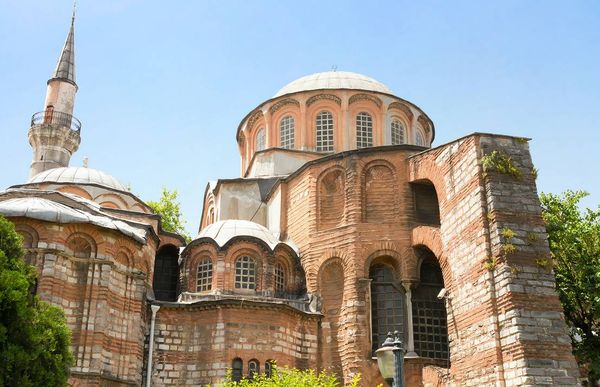
In 1204, Constantinople experienced the most hurtful stroke of its history; the Fourth Crusade armies led by Venetian Duke Enrico Dandolo backed by Venetian Navy, passed the Golden Horn barrier and plundered the invaluable masterpieces of the richest city of the era, for 58 days. That was when the city of Constantine and Justinian had fallen down. After the short rule of “Latin” Crusade State in 12 61, Constantinople lived its second best period during the paleographer emperors` period. Marvellous mosaics, the frescoes at Kariye and Fethiye Mosques have survived from those days until today.

The Ottomans passed the Dardanelles in r 354 and stepped into the European land for the first time in Gallipoli. Bursa replaced Edirne as the new capital in 1361. The Christian- Orthodox Constantinople had already become an island in the sea of Muslims. In 14 5 2, Constantinople was totally isolated from the Black Sea commerce by the construction of Rumeli Hisari fortresses in a time span as short as two months. The Europeans did not react while the Byzantines were trapped.

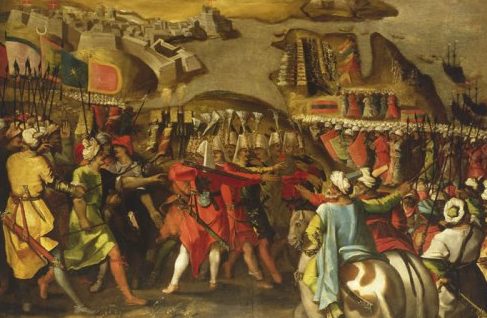
On May 29, 1453; the Janissaries of Fatih Sultan Mehmet (Mehmet the Conqueror) entered the city that had been under their besiege for a long time. The greatest Ottoman Sultan, called “The Man who Opened an Era” by a biographer, considered himself heir of Byzantium and the hero of a new Alexander romance.

Constantinople capital

He declared Constantinople as the capital and gave it a new name by inspiring the Greek words “is tippling” (into the city): the Allied forces in the end of World War I occupied Istanbul, Istanbul. The country regained its freedom after the Independence War that had begun in the leadership of Mustafa Kemal Ataturk.

Ataturk could foresee the future and was realistic as well as being a perfect statesman and one of the greatest politicians of the 2th century. Mustafa Kemal Ataturk realized what no other statesman could do in the 20 century and changed his people`s lives completely. This was an exact cultural revolution. He established a common platform much further and deeper than it can be observed. The republic was declared in 1923 and Ankara became the capital, Istanbul has remained the biggest and the most significant city of Turkey up to now. The words of a Turkish poet are still valid: “The best part of Ankara is the way back to Istanbul.”

Read More about Grand Balkan Tour

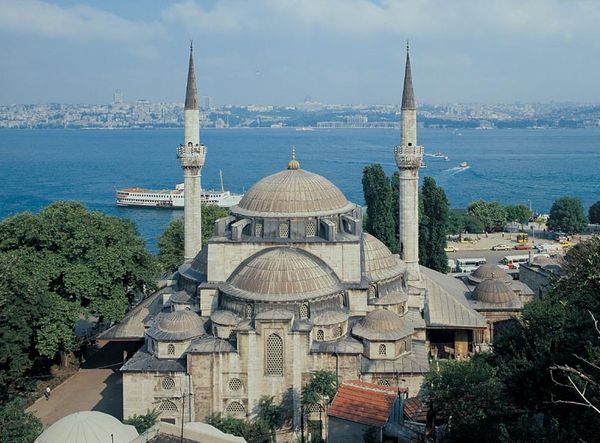
Mihrimah Mosque

0

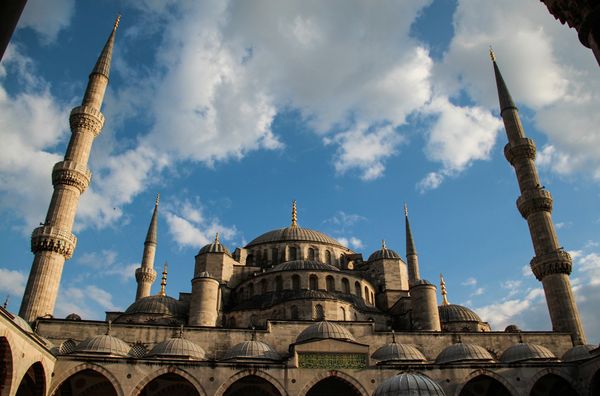
Mimar Sinan built this extremely beautiful mosque on the highest point of the city for Mihrimah Sultan, the daughter of Suleyman the Magnificent in 1560. The mosque is one of the dazzling late-period masterpieces of the master. The significant form of the construction is lively and original: A cube, a 37m high dome on it, and a thin and long minaret next to it. The light passing through the curves of the walls with three rows of windows enlighten the area and increases feeling of relief. Edimekapi

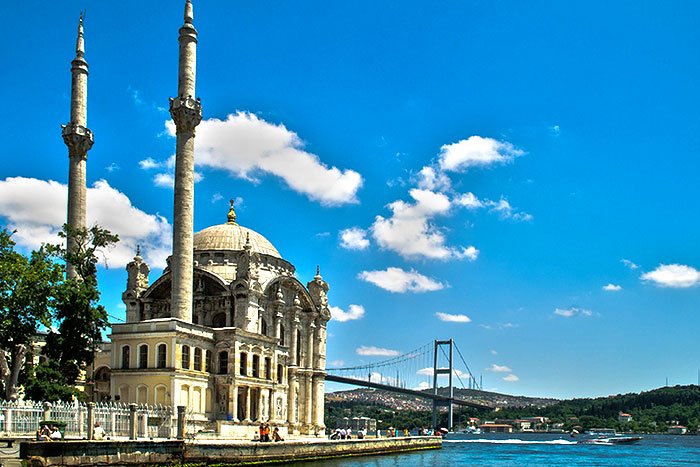
Ortakoy Mosque

The mosque, built for Sultan Abdulmecit in the 19th, century right at the seashore, is one of the stunning examples of the late period Ottoman architecture with its elegance.

Rustem Pasa Mosque

A few steps away from the Egyptian Bazaar (Misir Qar§ist) a genuine example of the Ottoman Istanbul is hidden: The mosque of Rustem Pasa, Grand Vezir and son-in-law of Suleyman the Magnificent. Mimar Sinan built this mosque in Z561 after completing The Suleymaniye as the sultan demanded.

One should absolutely spare some time to see this mosque not much visited by the tourists, but perhaps the most attractive mosque in the city, and enjoy the old carpets and the elegant patterns on the tiles from the greatest period of Ottoman ceramics art. After the chaos and noise of the neighborhood where the marketplaces have gathered, the time feels as if it stopped.

Sehzade Mehmed Mosque

The mosque, built between 1544-1548 is the first great work of the master; Sehzade Mosque stands at the crossroads of Haghia Sophia and the first steps of the great master on the way to become the brilliant head architect of Ottoman Empire. Sinan had examined the dome and the area understanding of Haghia Sophia thoroughly. He took the meaning of the domed area one step further by adding four semi domes to the main one i nstead of two and adding a series of semi domes to each of I hose. Thus the whole structure became a great area that is full square and sharpening upwards. It has a large, plain and light look inside; while has a dynamic look outside due to its < lecorative form, the significant division of the outer wall and the rhythmic structure of the domes. The tiled decoration in Mehmet`s tomb in the garden is very beautiful.

Sokullu Mehmet Pasa Mosque

None of the mosques in Istanbul are as well-settled and proportional as Sokullu Mehmet Pa§a Mosque. As Mimar Sinan had formerly built a smaller mosque for Sokullu Mehmet Pa§a, one of the most important vezirs of the empire between 1571-T572, he reached the perfect solution for building hexagon domes. He managed to place the main dome on the rectangular with four small semi domes that the pedestal of the dome joined with the rectangle of the community area so that the area is open and spacious.

Read More about Best Port Coffee House

The Topkapi Palace

0

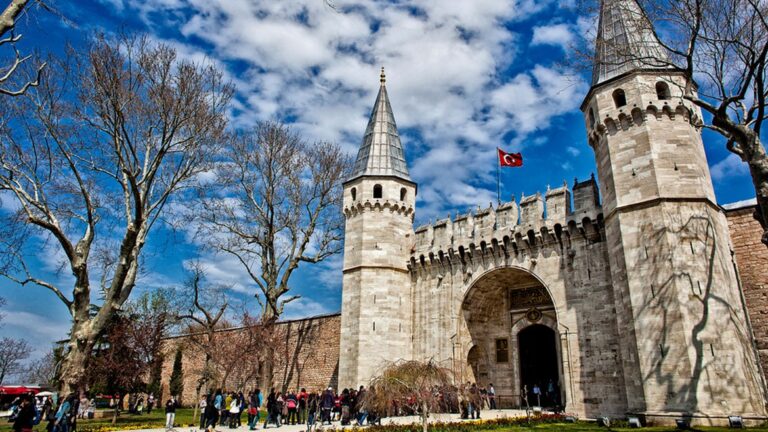
The famous Ottoman historian Evliya Celebi describes the Topkapi Palace (Topkapi Sarayi) as “the loveliest sultanate palace that human skill could have created. One can not help doing anything but ruling if living in here! If you can come out of this complex game that is made of terraces, corridors, stairs and interior courts; you find yourself in the world of Arabian Nights again. The palace once Ottoman Sultans lived is visited by thousands of visitors from all parts of the world, is the most splendid monument of Istanbul.

The palace had a concept peculiar to the East, accommodating several qualities in it: The residence of the Sultan and the center of a world empire, the religious center of half of the world and the stage that incredible intrigues displayed, the focus of cruel murders and the cradle of breathtaking successes. Once, 4,000-5,000 people used to live in Topkapi Palace. This was a city in the city. Fatih Sultan Mehmet decided to have a vast palace built to the ridges of old Byzantium Acropolis.

The reason Sultan Mehmet chose this place was not only the beauty of the ridges. He was planning to have a residential fortress built where Istanbul could be protected best. A high city wall, extending from Golden Horn as far as the Sea of Marmara, separating Topkapi Palace from the rest of the city. The Byzantium walls, beginning from the corner of the palace and stretching to Theodosian Walls through the shores of Marmara were protective against a possible sea attack.

The First Court

This front court that is connected to the main entrance with Bab-i Humayun (the Imperial Gate), once the Janissaries used to accommodate, serves as the parking area for the buses and cars bringing thousands of visitors today. On the left are Defterdar Dairesi (the Financial Department) and ig Cephane (the Interior Arsenal, the former Haghia Eirene Church); while the Archaeological Museum and Cinili Kosk (the Tiled Pavilion) that Mehmet U had built are located at the back.

The Second Court

The entrance to the palace is through the next gate, Bab-us Selam. Everybody had to get off his horse at this gate, but the Sultan since he was the only authorised one to pass through this gate on horse. When the foreign ambassadors would be welcomed, this court used to be crowded by the notables of the empire, the Janissaries and court guards used to gather here with their showy costumes.

The participants of these welcoming ceremonies could be up to 10,000 and the foreign guests mostly expressed their bewilderment against the silence that was dominant during the ceremonies. In the court, visited by thousands of people today, once gazelles, deers, goats and peacocks used to stroll under the cypress trees.

This court, the garden of silence and peace, and where the great and carefully planned ceremonies took place, used to reflect the spirit of the empire. The Divan (council of the state) used to gather at Kubbealti on the left. This domed, rectangular, plain place has low sofas (“divan”, in Turkish) covered with carpets, extending along with the walls in three sides of it.

The legendary grilled window above the Grand Vezir`s place is still there, the Sultan used to watch the discussions in Divan behind this window. Generally, the Divan used to gather four times between Sunday and Tuesday, and all sort of decisions relevant to administration were taken here. Orders were given, feudal fiets (timar) were delivered, complaints were listened, the decrees (firmans) were signed and the negotiations with the foreign ambassadors; all these used to take place here in Divan.

It was easy to understand the status of the officials and notables by looking at the arm shape and colour of their costumes or even linings, the fur, but first of all the turban and the style of their beard. The vezirs used to wear green, muftis white, mullahs light blue and ulema purple; while the ones relating to the court used to be distinguished by their red costumes, the colour of sheikhs was blue. Across Divan, the East of the second court, were the Dolap Ocagi and the kitchens. Meal for the ones living in the palace, which means thousands of people, was cooked here. It was one of the important porcelain collections of the world due to the variety of kitchen tools made of Chinese, Japanese and European porcelains as well as copper pots, bowls and cups.

Behind the third gate, Bab- tis-Saadet, was the Throne Room (Arz Odasi) where the Sultan waited for notables, ambassadors and foreign guests. In this room, furnished Ottoman/Turkish style, the Sultan used to accept his visitors sitting on showy pillows and precious carpets. The world beyond it, Enderun, was close for them too.

It will be helpful to see some part of the Harem before going this section. Harem was directed with strict rules and great care, and this director was never a man, it was the mother of the ruling Sultan, Valide Sultan. As a concept, Harem means the forbidden or holy place. There were many women slaves and eunuches in Harem along with the women taken into by the Sultan for their beauty. The most powerful one in the Harem was the Kizlar Agasi. That was the third important person of the Ottoman Empire, after the Grand Vezir and Sheikhulislam.

The Third Court

The walk in the Harem ends at its actual entrance in the Third Court. This lovely building, built in the 18th century is The Library of Ahmet III. The buildings that are arranged in an order where the thrones, valuable costumes, ornamented weapons, miniatures and the legendary treasures of the Sultans are exhibited today used to be the palace school. This school was probably the most important official institution of the East and one of the best educational institutions that survived in a feudal system. 48 of the 60 Grand Vezirs whose lives are well known were educated here, including four vezirs of Suleyman the Magnificent. The costume collection of the Sultan can be seen in the Turkish bath located to the East of the Third Court: Turkish fabrics woven of silk and artificial fiber, silk caftans, the Sultan`s garments and precious prayer rugs. In the four rooms of the world famous Treasury, also the first residence of Fatih Sultan Mehmet in Topkapi Palace, the legendary treasures that were collected by Ottoman Sultans for centuries are exhibited.

Helmets, daggers, the candlesticks made for the tomb of Prophet Mohammed and also an elephant-shaped play box made of gold are exhibited in the first room. In the second room is the famous Topkapi Dagger that has three emerald stones as well 12 big and 124 small diamonds on its handle; this dagger has become world famous after the movie that Melina Mercouri performs a skillful burglar. In the third room is the biggest emerald of the world, and the Harem, a separate world isolated from the rest of the palace, was composed of corridors, secondary courts, small gardens, stairs and various places around 300 in total.

Kasikci Elmasi (The Spoonmaker`s Diamond) that is 86 carats and ornamented with 49 diamonds. The name of the diamond comes from the incident that it was bought by a junk dealer in charge of three wooden spoons in the 17™ century. Each of the two candlesticks made of pure gold and weighs 49 kilograms and has 6666 diamonds.

Sultan Abdulmecit had them made for Kaaba at Mecca. The gold plated throne that is decorated with 954 emerald and ruby stones, is the one the Sultans used to sit during their admissions in Bab-us Saadet. The passage to the fourth room is through a terrace with a perfect view of the Sea of Marmara. A part of the Iran and Turkish miniature collection that has very much importance in terms of history of art, is exhibited in the building next to the Fourth Court.

The Turkish miniature art was at its peak in the 1sthand 161`1 century. The volumes of manuscripts were decorated with flowers, buds, the sky, clouds and people. The variety in the way that the nature, animals, rocks and architecture, drawings and the usage of gold are the indicator that these creations were made by several artists.

Although the Turkish miniatures look like Iranian and Arab miniatures at the first glimpse, generally they reflect the daily life; and it is possible to come across with the traces of romanticism and decorative examples. There is partial perspective in the miniatures as well as no lighting and shading. The remains of the holy Muslim personalities are exhibited in Hirka-i Saadet dairesi. The overcoat, a piece of beard, flag and sword of the Prophet as well as the sword of the first four caliphs Abu Bekr, Umar, Othman and Ali are here. Also, the holy objects from Mecca are here: The keys and locks of Kaaba, the solid gold covering for the black Hacer ul-Esved stone that is holy for the Muslims.

The Fourth Court

In the adjacent garden stepping down in form of terraces are the fountains, Revan Koskui636), Bagdat Kosku (1639), an arbor from 1641 and Sofa Kosku from 18th century. Ending the visit to the Saray at the terrace of Mecidiye Kosku or at Teras Cafe at its lower floor. You can enjoy the wonderful panorama here.

Open between 9.30 AM – 5 PM everyday except Tuesday.

Read More about Beglik Tash Tour
Best Port Coffee House

0

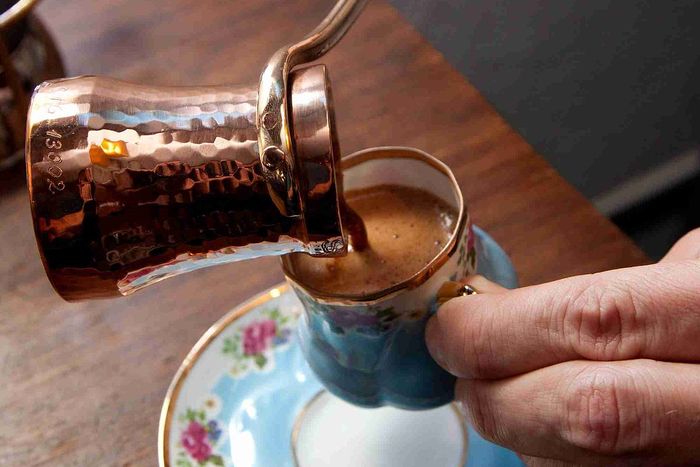
The biggest and the most prominent coffee house in Eyup is without a doubt the Bostan Port Coffee House. The significance of the coffee house that was opened next to the Eyup Port during the reign of Selim III, is that it was the place where prominent musicians of the period used to gather here to play. Among the regulars were Buyuk Dede Efendi and Eyubi Mehmet Bey.

Musicians who gathered here used to play and sing until the evening and the most prominent, popular songs of Istanbul were written and sung here. Zekai Dede Efendi was also tutored by masters here and became the most prominent figure in Ottoman music. Built on poles nailed on the Golden Horn, the coffee house was torn down during the project of cleaning the Golden Horn of factories.

Arif`s coffee and gaming house

It used to be located in the park opposite the building which is now used as Health Museum in Sultanahmet. The coffee house, named after its owner, used to be the venue where Istanbul`s most famous meddahs told stories and karagoz (traditional Turkish puppet) shows were put on. During the month of Ramadan, the people of Istanbul used to stream here to see the karagoz shows put on by Hayali Salih Efendi. Meddah Ismet Efendi used to tell stories, and writers, poets, journalists and important civil servants of the time used to meet here regularly. Many authors who wrote in the 1940s and 50s talk about this coffee house in their works.

Another significance of the coffee house is that it is the only place in Istanbul where black beetle races were organized for gambling purposes. Opened in the last quarter of the 19th century, the coffee house lived throughout the first years of the Republic; but was closed down after expropriations.

Tophane coffee house

One of the most famous coffee houses of the period was the Tophane Coffee House. It looks over the Topkapi palace, the Golden Horn, the Bosporus and the islands through its wide windows, and is famous for its pond, rich dinner tables, wooden ceiling and wall ornaments. Laz, Armenian and Turkish sailors, religious figures, writers and merchants used to be regulars here. Today, there are water pipe cafes in the place of this coffee house, which is alluded in many novels in Turkish literature.

Transition to the republican regime symbolized change and modernity for both the people of Anatolia and the people of Istanbul, but some habits went unchanged. Palaces and sultans became history, coffee houses changed shape along with outfits, the old have disappeared, but coffee houses remained the meeting spot…

This article is published for enmarbg. For more interesting information about coastal Bulgaria tours, please visit coastal Bulgaria tours.

Read More about Private Bulgaria tours Yachting

The Military Expedition to Nahcivan

0

On 28 August 1553, the Sultan started from Istanbul for a new military expedition to Iran. This was his twelfth mili-taiyexpedition. He was quite an aged man, 59 years old. The Sultan arrived in Erzurum via Konya and Diyarbakir and from there he advanced in Kars direction. Sending an insulting letter to the Shah as his father Sultan Selim, had Previously done, challenged him to a fight.

But none of these treats yielded a result, the Iranian army once again did not appear on the scene. The Turkish army proceeded in the directions of Karabag and Nahcivan areas. Although the Sultan`s army reached as far as Nahcivan, Shah Tahmasp and his army where always freeing away. Under these conditions, the army was set free to enter and completely destroy the city. The Sultan believed that doing that much damage was good enough and decided to return.

Sultan`s plans

When the army reached Erzurum on its way back, the Sultan received an appeal from the Shah for an armistice. It was accepted on condition that peace was realized and the enmity between the two countries was terminated. The Sultan`s plans were to spend the winter of 1554-1555 in Amasya and to continue the operations against Iran in the spring.

Shah`s envoy arrived in Amasya with new proposals, precious gifts and a letter to the Sultan. A Peace treaty, was made when Shah gave a word of assurance for friendship (1555). According to these treaty Azerbaijan and its capital Tebriz, the eastern part of Anatolia and the Arabian Iraq were being annexed to the Ottoman State.

Peace of Amasya

This first treaty concluded with Iran was in effect until the year 1576. Through the peace of Amasya, the fights of the Ottomans and Iran which stretched over half a century came to an end. During the military expeditions of the Magnificent, no Iranian army had the courage to get involved in a decisive battle with the Ottoman armies.

Therefore, the military expeditions were no more than invasions. The Iranians however, after the withdrawal of the Ottoman army continued their attacks to the Eastern Anatolia. The Ottoman State during this war,secured contact with the Turkish States in the Central Asia forming an alliance with them and extending assistance.

Read More about The Topkapi Palace

Small But Yummy

0

How do you eat finger-food with style and finesse?

Our expert offers some tips on how to eat classy snacks with dignity.

They`re the tiny snacks that make it possible for us to try a wide range of different, equally delicious ingredients. They are, of course, the mini-savouries which so tease our palates. Around the world, these are not just a good accompaniment to wines and aperitifs, but have also come to be seen as a great alternative to three-course menus in recent years.

Spanish tapas, Italian antipasti, Chinese dim sum, Indian tiffin or mezze from the Middle East have also won our culinary hearts. You can hardly attend a reception, cocktail evening, opening or premiere nowadays without being offered a culinary experience that dispenses with cutlery. The French lovingly refer to them as hors d`oeuvres. They are designed to enable adults to eat using nothing but their fingers.

Finger Food

But that, of course, is precisely the catch with them. Handling such top-end finger-food in a skilful, tactful and appetising manner is a precondition for its stylish enjoyment. Here are a few tips on how to eat such snacks and retain some dignity. Even a piece of pizza can be eaten with style if you want. Just press against the sides a little, and nothing will drip onto your trousers or shirt. The ever-popular fries simply taste best with ketchup. But be careful with the red tomato sauce – less is sometimes more, especially if you then forget to clean the corners of your mouth with a serviette after enjoying them. And what about the cocktail tomato?

This is a popular, and fast, antipasti snack. The danger here lurks when actually biting into it. Remember to keep your mouth closed, and you need not shower your neighbour in the flesh of the delicious fruit. The prawn should always be held at the tail-end before being bitten into. Nobody wants to see how you pick at it with both hands in your mouth in an effort to remove any remaining bits of meat and shell. Serviettes are not just there for decorative purposes, and please don`t just place used toothpicks back in the presentation bowl.

he guest after you will thank you for it. Foreign guests should be warned that not everything baked at these latitudes is tempura. Small pork savouries are often concealed in the batter. And finally, one more tip: should you be very hungry, make sure you get a standing table. With a glass in one hand and a savoury in the other, it can be difficult to greet passing throngs of guests.

Read More about Istanbul Organizations