A Land of Heat and Dryness
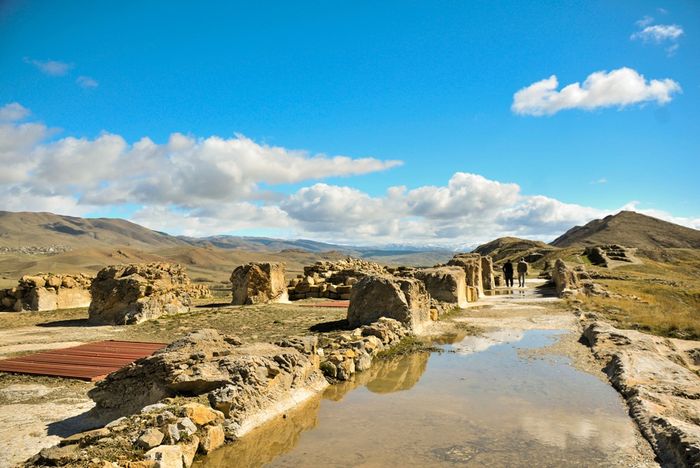
When I was in Thessaly, it was a very dry season. Many rivers that are usually important were running low, and some of the smaller streams were completely dry. The land looked parched, and water was scarce in many places. The heat was strong, and the countryside showed clear signs of long-lasting dryness Customized Guided Sofia Tours.
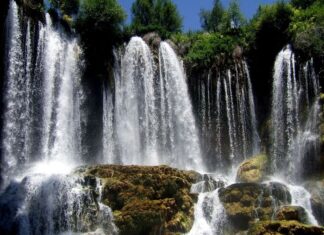
Yet, despite this general lack of water, I noticed one river that greatly surprised me. About seven miles on this side of Tornovo, I saw a river flowing strongly and in great abundance. It did not come from small springs or scattered streams. Instead, the entire body of the river burst forth from beneath a rocky mountain. The water flowed freely and powerfully, as if it had been stored within the earth and released all at once.
Thoughts on Ancient Floods
Seeing this river made me think deeply about how different this land must have looked in ancient times. I remembered the story of Deucalion, the king of Thessaly, during whose reign a famous and terrible flood was said to have happened. Some writers claim that this great flood lasted an entire winter.
According to tradition, the flood was caused by the River Peneus being blocked, which stopped its flow into the sea. Since many other rivers run into the Peneus, the water would have had nowhere to go. As a result, the whole country, being flat and surrounded by hills, would naturally have been flooded.
Some people also believe that in very early times all of Thessaly was covered by water. They say that only after a great earthquake split the mountains of Ossa and Olympus was a free passage created. This allowed the River Peneus to pass through the valley of Tempe and finally reach the sea, draining the land and making it habitable Noble Stables and Horses of Europe.
Lakes and Springs in Macedonia
While traveling through Macedonia, between Comonava and Filurimi, I came to a place called Ecisso Verbeni. There I saw plentiful springs of mineral water flowing from the ground. The waters were clear and abundant and appeared to have special qualities.
From that place, I also had a clear view of two great lakes. About one of these lakes, the local people shared an interesting tradition. They said that the lake was formed long ago when people removed large stones from the side of a mountain. This act, according to their belief, caused a massive release of water, which flooded the surrounding land and formed the lake that remains to this day.
Local Customs and Curious Names
As I continued my journey through Macedonia, my Chiaus, who traveled with me, told me that within two days we would meet the “Frenchmen.” By this, he did not mean people from France. Instead, he referred to the country people of Thessaly.
They were called this because of their caps, which had small brims and looked similar to the small hats that had recently come into fashion in Western Europe. This simple likeness was enough to give them a foreign name in the eyes of local travelers.
Nature, History, and Memory
All these observations showed how closely nature and history are connected in these lands. Dry rivers, sudden springs, ancient floods, and living traditions all remind the traveler that the landscape carries the memory of past ages. Thessaly and Macedonia appear quiet today, yet their waters and mountains tell stories of great change and powerful natural events.